


The Importance of a Comprehensive Eye Exam - Even If You Have 20/20 Vision
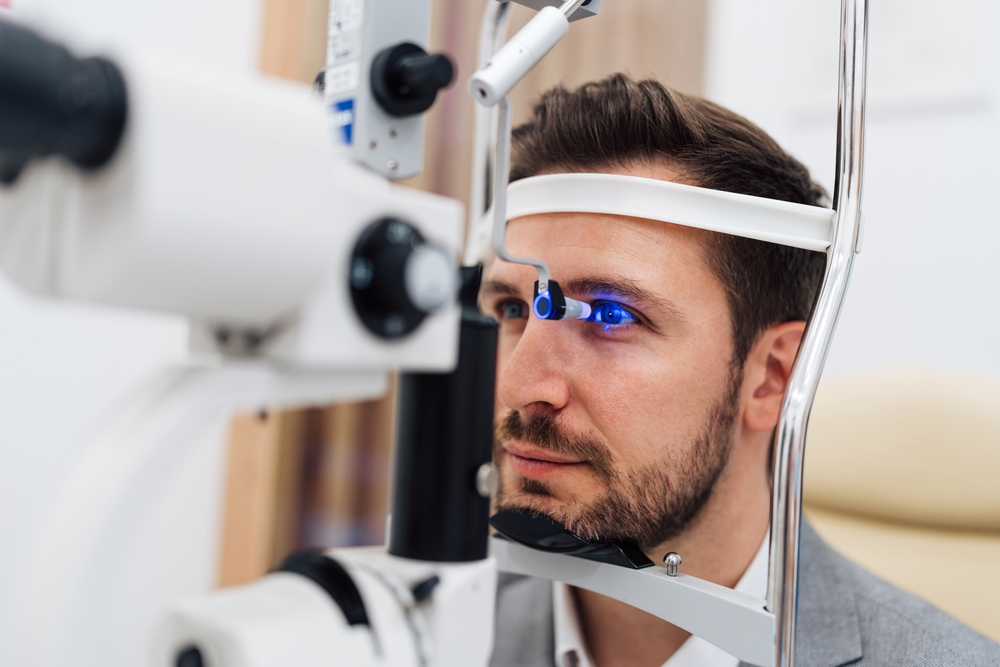
When patients hear they have 20/20 vision, it often feels like a clean bill of eye health. If you can see clearly at a distance, why schedule an eye exam? At Cobb Corner Eye Care, we want patients to understand that visual acuity is just one small part of your overall eye health.
A comprehensive eye exam evaluates much more than how clearly you see. Even with perfect vision, underlying eye conditions can develop silently and progress without noticeable symptoms.
20/20 Vision Only Measures Clarity - Not Eye Health
The 20/20 measurement simply means you can see at 20 feet what a person with normal vision should see at that distance. It does not assess:
· Eye pressure
· Retinal health
· Peripheral vision
· Early signs of disease
· Tear film quality
· Focusing or eye coordination issues
You can have 20/20 eyesight and still have serious eye conditions developing beneath the surface.
Many Eye Diseases Develop Without Symptoms
Some of the most common eye diseases show little to no warning signs in early stages. A comprehensive eye exam allows your optometrist to detect these issues before they cause permanent damage.
Glaucoma
Often called the “silent thief of sight,” glaucoma can damage the optic nerve without pain or noticeable vision changes until significant vision loss has already occurred.
Macular Degeneration
Age-related macular degeneration affects central vision and may not present symptoms early on. Early detection allows for monitoring and treatment strategies to slow progression.
Diabetic Retinopathy
Even patients with well-managed diabetes can develop retinal changes. Regular exams are critical to prevent vision complications.
Retinal Tears or Detachments
These can begin with subtle or no symptoms and may only be visible during a dilated eye exam.
Eye Exams Can Detect Systemic Health Conditions
A comprehensive eye exam does more than evaluate your vision - it can also reveal important clues about your overall health. Because the eyes contain delicate blood vessels and nerves that reflect what’s happening throughout the body, optometrists can often identify early signs of systemic conditions during a routine exam.
Changes in the retina may indicate high blood pressure or diabetes, while certain vascular patterns can suggest high cholesterol. In some cases, inflammation or structural changes within the eye may point to autoimmune disorders or thyroid disease. For many patients, an eye exam becomes the first step in uncovering a broader health concern, allowing for earlier diagnosis, timely medical referral, and more effective treatment.
Digital Eye Strain and Lifestyle Factors Matter
Even if you see clearly, you may experience:
· Headaches
· Eye fatigue
· Dryness
· Difficulty focusing
· Neck or shoulder tension
With increased screen use for work and school, digital eye strain is common. A comprehensive exam can evaluate focusing systems, recommend lens options, and provide personalized strategies to improve comfort.
Children and Adults Benefit from Routine Exams
Children may not realize they have subtle vision problems affecting learning. Adults may adapt to gradual changes without noticing. Annual or biannual comprehensive eye exams ensure small issues don’t become major concerns.
Early Detection Means Easier Treatment
When caught early, many eye conditions are easier to manage and treat. Preventive care protects long-term vision and often reduces the need for more aggressive treatments later.
Vision loss from undetected eye disease is often irreversible. Routine exams are one of the most effective ways to protect your eyesight for life.
How Often Should You Have an Eye Exam?
For most adults:
· Every 1–2 years if you are low risk
· Annually if you have risk factors such as diabetes, high blood pressure, or a family history of eye disease
Children, seniors, and patients with existing conditions may require more frequent monitoring.
Your optometrist at Cobb Corner Eye Care will recommend a schedule tailored to your specific needs.
Invest in Your Long-Term Vision at Cobb Corner Eye Care
Having 20/20 vision does not mean your eyes are healthy. A comprehensive eye exam evaluates the full picture - from eye pressure and retinal health to early disease detection and overall wellness. Regular exams protect not just your vision, but your long-term quality of life.
Even if you see clearly, your eyes deserve a closer look. Contact Cobb Corner Eye Care today to schedule your comprehensive eye exam. Visit our office in Stoughton, Massachusetts, or call (781) 344-3335 to book an appointment today.



Contact Information
Hours of Operation
Monday 9:00am - 5:30pm
Tuesday 9:00am - 5:30pm
Wednesday 10:00am - 6:30pm
Thursday 9:00am - 5:30pm
Friday Closed
Saturday Closed
Sunday Closed
Powered by: 