


What Are the Symptoms of Diabetic Retinopathy?
Diabetes can affect many areas of the body, including your eyes. One of the most serious diabetes-related eye conditions is diabetic retinopathy, a leading cause of vision loss among adults. Because symptoms often appear gradually - or not at all in the early stages - it’s essential to understand what diabetic retinopathy is, how it affects vision, and which warning signs should never be ignored.
What Is Diabetic Retinopathy and How Does It Affect Vision?
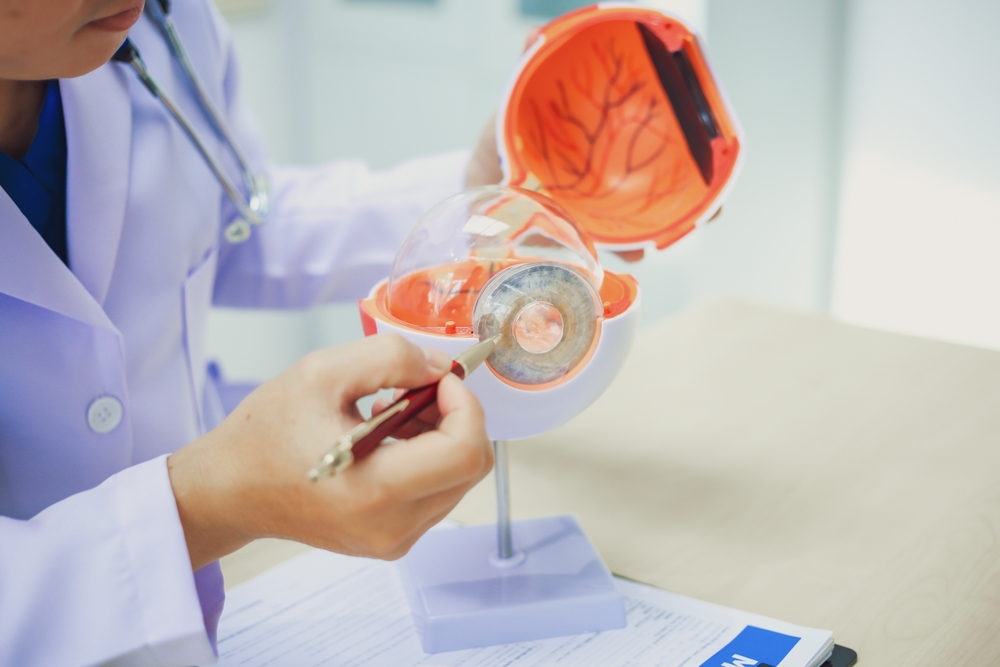
Diabetic retinopathy occurs when consistently high blood sugar levels damage the tiny blood vessels in the retina, the light-sensitive tissue at the back of the eye responsible for clear vision. Over time, these weakened blood vessels can leak fluid or blood, swell, or close off completely. In more advanced stages, abnormal new blood vessels may grow, further disrupting normal vision.
As retinal damage progresses, the eye’s ability to send clear visual signals to the brain is compromised. This can result in blurry vision, visual distortions, and eventually permanent vision loss if left untreated. Because the condition often develops silently, many people are unaware their vision is at risk until significant damage has already occurred.
The Importance of Early Detection
Early detection is one of the most powerful tools in preventing vision loss from diabetic retinopathy. Regular diabetic eye exams allow eye doctors to identify subtle retinal changes long before symptoms affect daily vision. When caught early, treatment options are far more effective, and progression can often be slowed or managed successfully.
For individuals with diabetes, annual medical eye exams are critical. Even if your vision seems perfectly normal, retinal damage may already be developing beneath the surface.
Early Symptoms of Diabetic Retinopathy to Watch For
In its early stages, diabetic retinopathy may cause no noticeable symptoms at all. As the condition advances, however, certain visual changes may begin to appear. These can include blurred or fluctuating vision, difficulty seeing clearly at night, or colors appearing faded or washed out. Some people notice dark spots, strings, or “floaters” drifting across their field of vision, while others experience blind spots or areas of missing vision.
Sudden vision changes - such as rapid blurriness or vision loss - can signal more advanced disease and should be addressed immediately. Because symptoms often indicate progression, it’s important not to wait for warning signs before scheduling an eye exam.
Schedule Your Diabetic Eye Exam Today
Diabetic retinopathy is a serious but often preventable cause of vision loss. Understanding the symptoms and recognizing the importance of early detection can make a meaningful difference in protecting your eyesight. Regular diabetic eye exams remain the most reliable way to catch retinal changes early, manage progression, and preserve long-term vision.
Contact Cobb Corner Eye Care to schedule your diabetic eye exam and take an important step toward safeguarding your sight for the future. Visit our office in Stoughton, Massachusetts, or call (781) 344-3335 to book an appointment today.



Contact Information
Hours of Operation
Monday 9:00am - 5:30pm
Tuesday 9:00am - 5:30pm
Wednesday 10:00am - 6:30pm
Thursday 9:00am - 5:30pm
Friday Closed
Saturday Closed
Sunday Closed
Powered by: 